

There is a distinct magic to the world of beekeeping. It often starts with a quiet hum in your garden, a jar of rich, raw local honey, or a deep desire to do your part for our local ecosystem. Before you know it, you’re dreaming of wooden hive boxes and the gentle buzz of thousands of tiny, winged partners.
But if you’re standing at the starting line, the sheer amount of information out there can feel a little overwhelming. How much time does it take? What gear do you actually need? And how do you keep these incredible creatures happy and healthy?
If you’re ready to take the plunge, here is your practical, no-nonsense roadmap to starting your very own apiary.
Start with the “Why” (and the Rules)
Before you buy a single piece of equipment, it’s important to understand what beekeeping entails. Beekeeping is less like having a pet and more like tending a unique, tiny farm. It requires observation, patience, and a willingness to learn.
You’ll also want to do a little homework:
- Check Local Regulations: Most cities and HOAs have specific, bee-friendly guidelines regarding the number of hives you can keep and where they can be placed on your property.
- Assess Your Yard: Honeybees need a sunny spot, protected from strong winds, with a nearby water source (like a birdbath with landing stones) so they don’t end up in your neighbor’s pool.
Education is Your Best Tool
The secret to successful beekeeping isn’t expensive gear—it’s knowledge. We always tell aspiring beekeepers that the best investment you can make is in your own education.
Pro Tip: Don’t wait until your bees arrive to start learning! Fall and winter are the perfect times to dive into books, join a local beekeepers’ association, or sign up for one of our Introduction to Beekeeping course Understanding bee biology, seasonal hive cycles, and pest management before your hive is active will save you time, money, and heartache down the road.
Gear Up: The Essentials
You don’t need to buy out the entire supply store to get started. Focus on high-quality, durable essentials:
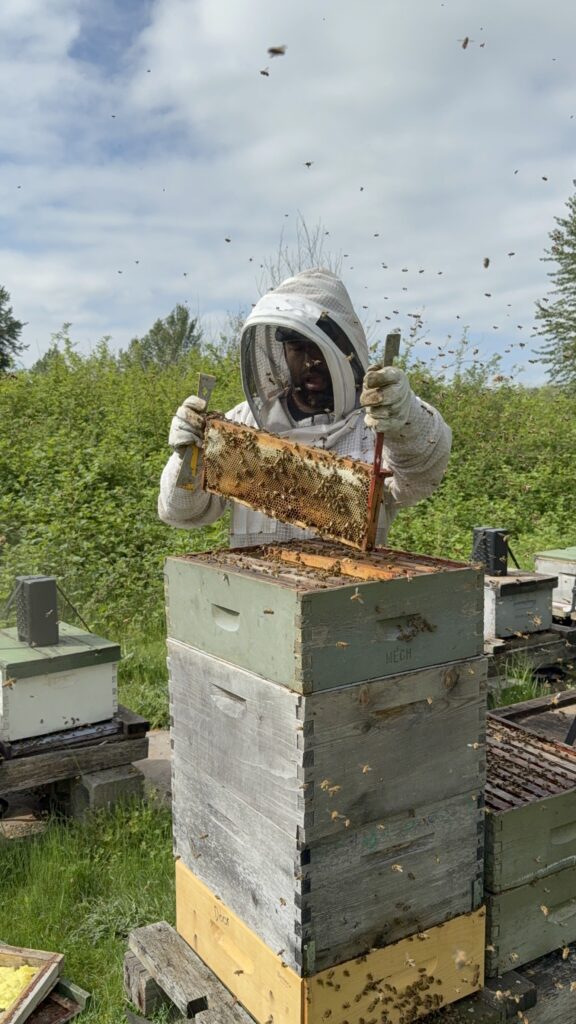
- The Hive: The classic Langstroth Hive (the stackable wooden boxes you see in fields) is the industry standard and the easiest for beginners to manage.
- Protective Gear: A high-quality ventilated full suit, a veil, and sting-resistant gloves are non-negotiable for building your confidence.
- The Big Three Tools: You’ll need a smoker (to calm the bees during inspections), a hive tool (a handy pry-bar to separate sticky frames), and a bee brush (to gently move bees off frames).
Buying Your Bees: Nucs vs. Packages
When you’re ready to order your bees, you’ll generally have two choices: packages or nucleus colonies (nucs).
While packages (a box of loose bees with a caged queen) are common, we strongly recommend starting with a nuc. Because a nuc is a miniature, fully-functioning colony on established frames—complete with a laying queen, brood, and honey stores—it gives your backyard apiary a massive, stress-free head start.
Understanding the Time Commitment
One of the most common questions we get is: “How much work is this actually going to be?”
Beekeeping is highly seasonal.
- Spring & Summer: This is the busy season. You’ll want to perform a brief hive inspection every 7 to 10 days to check on the queen’s laying pattern, watch for pests, and make sure the colony has enough space to grow.
- Fall: You’ll focus on preparing the hive for winter, ensuring they have enough honey stores and are well-insulated.
- Winter: The bees go into a winter cluster to stay warm, leaving you with very little to do except check on their food stores on milder days and plan for the next spring.
You Don’t Have to Do It Alone
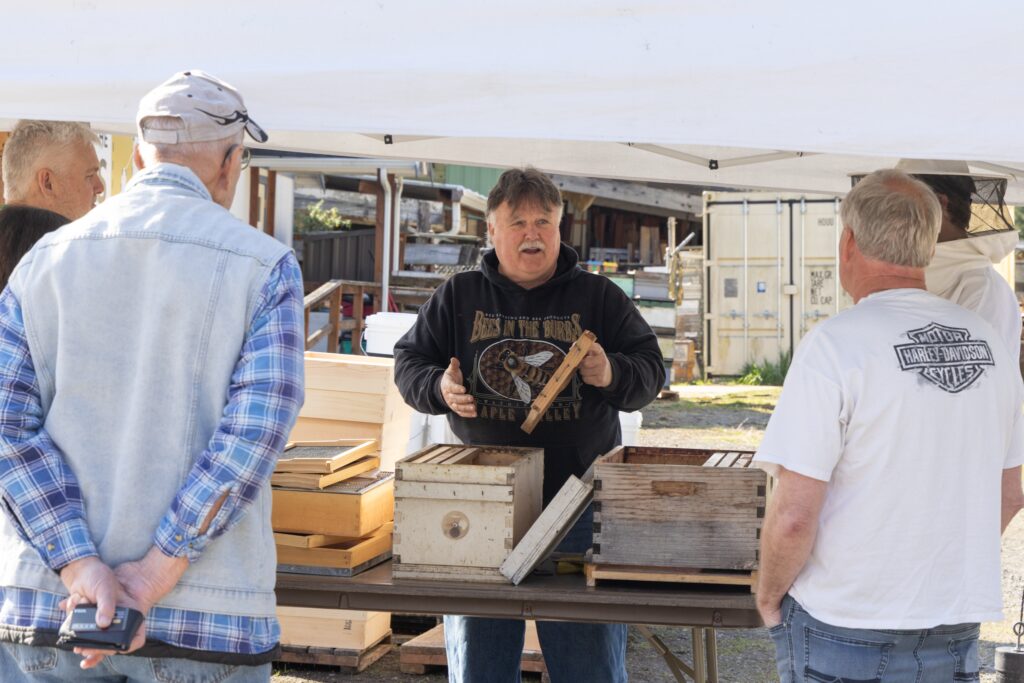
Beekeeping is an incredibly rewarding journey, but it’s best traveled with a community behind you. As you take your first steps, remember that having a reliable support system—whether it’s a local mentor, a beekeeping club, or your friendly neighborhood supply shop—makes all the difference.
We are always here to help you navigate the learning curve, troubleshoot your hives, and celebrate your first honey harvest.


Be the first to comment