

Nature offers an abundance of incredible superfoods, and one that truly stands out for its impressive health benefits is bee pollen. Often referred to as “nature’s most complete food,” these tiny granules are packed with a powerhouse of nutrients that can significantly enhance your overall well-being.
Bee pollen is a mixture of flower pollen, nectar, and enzymes. Bees collect pollen from plants and bring it back to their hives, where it serves as a primary food source for the colony. For humans, it’s a treasure trove of vitamins, minerals, amino acids, enzymes, and antioxidants [1].
How Bees Collect Pollen (and How We Harvest It)
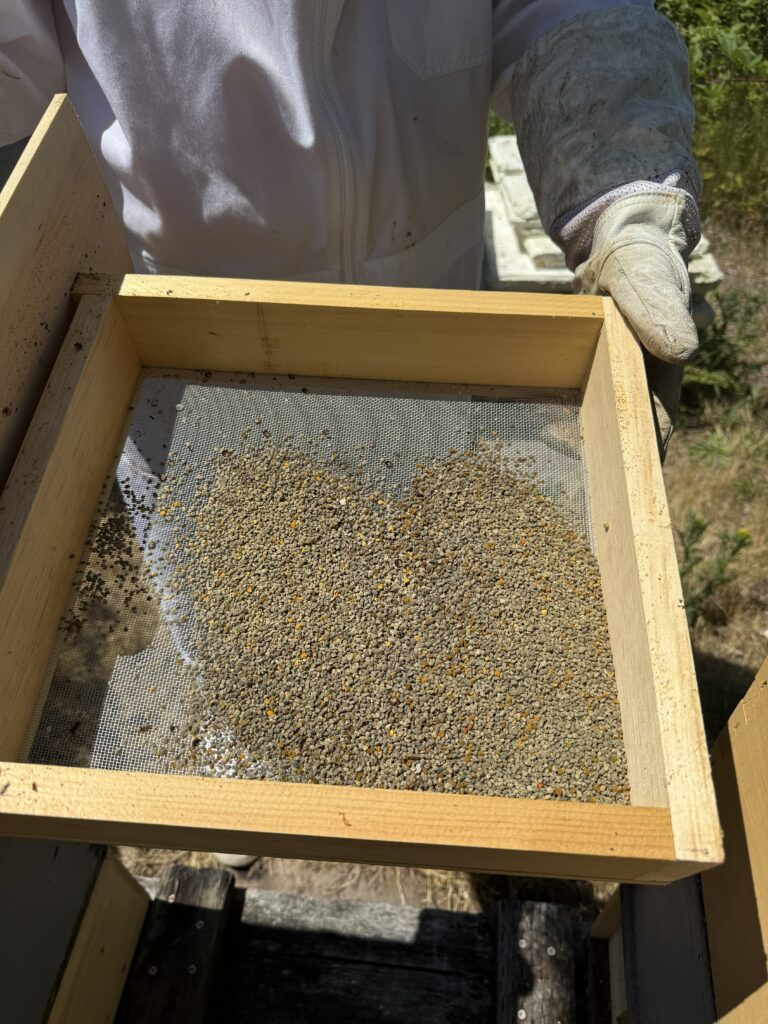
The journey of bee pollen begins with the diligent worker bee. As a bee visits flowers to collect nectar, tiny pollen grains from the flower’s anthers stick to its fuzzy body. The bee then meticulously brushes this pollen into specialized sacs on its hind legs, called “pollen sacs” or corbiculae, moistening it with a touch of nectar and enzymes to form small, compressed pellets.
These pollen pellets are then transported back to the hive, where they serve as a crucial protein source for the entire colony, particularly for feeding the queen and young bees.
When it comes to harvesting bee pollen, beekeepers use a device called a “pollen trap.” This is typically a small screen or grate placed at the entrance of the beehive. As the pollen-laden bees enter the hive, the trap gently dislodges a small percentage of the pollen pellets from their legs, which then fall into a collection tray below. This method ensures that the vast majority of pollen still makes it into the hive for the bees’ consumption, allowing beekeepers to collect the excess without harming the colony.
The Benefits – Allergy Relief, Immune Support, and More
The nutritional profile of bee pollen is truly remarkable, offering a wide array of potential health advantages:
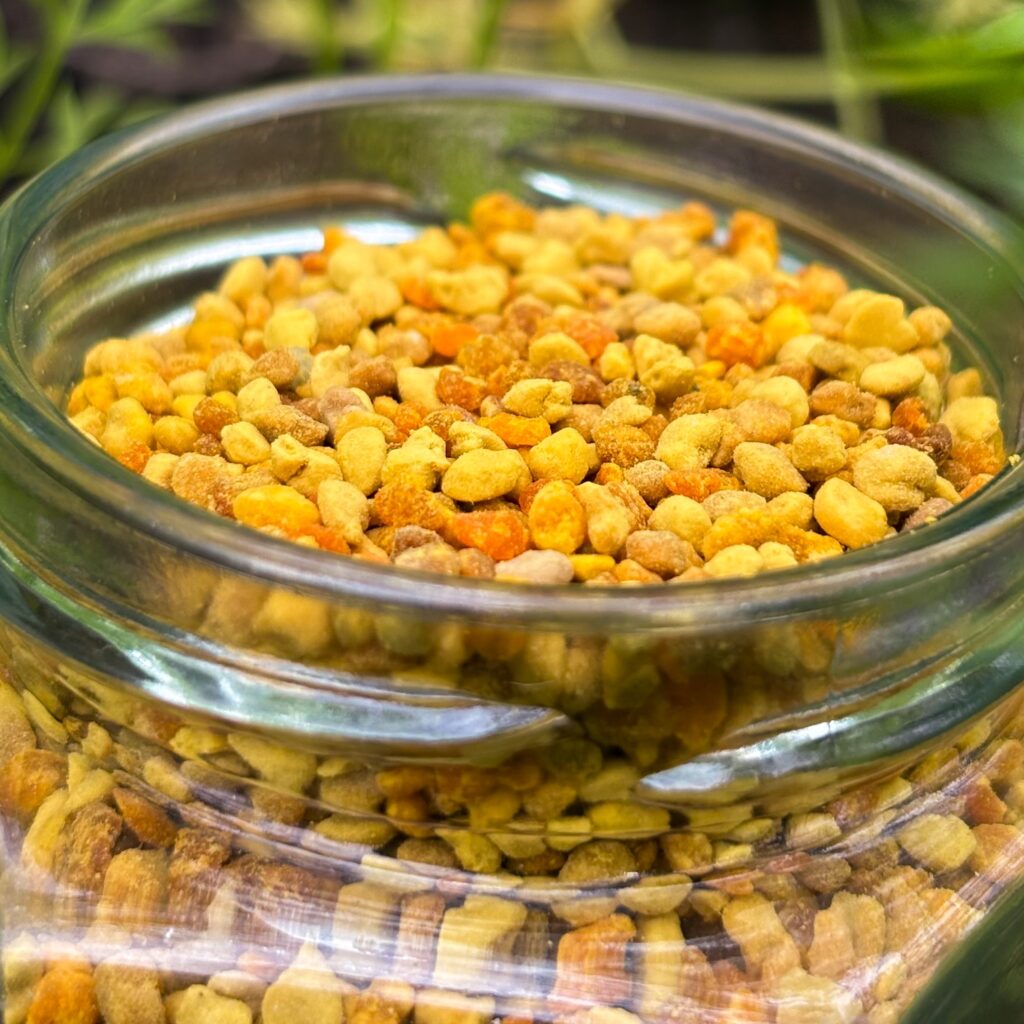
- Immune System Support: Rich in antioxidants, including flavonoids and quercetin, bee pollen can help protect your cells from damage and bolster your immune system [1, 2]. Research shows it can increase the immune response against infection and may even help inhibit the release of histamine [3].
- Energy Booster: With its natural blend of carbohydrates, proteins (including essential amino acids), and B vitamins, bee pollen provides a substantial source of energy, making it a popular supplement to fight fatigue and support athletic stamina [1, 4].
- Anti-inflammatory Properties: Multiple studies have indicated that bee pollen possesses strong anti-inflammatory effects by inhibiting the activity of enzymes and compounds that cause inflammation [1, 5].
- Digestive Health: Bee pollen naturally contains digestive enzymes from the bees themselves, which can assist in the digestive process and improve nutrient absorption [6].
- Skin Health: The vitamins (like Provitamin A and E) and essential amino acids found in bee pollen contribute to skin health, promote regeneration, and have even been shown to accelerate wound and burn healing when applied topically [2, 7].
- Allergy Relief: Like local honey, consuming local bee pollen may help desensitize the body to local allergens over time, potentially reducing seasonal allergy symptoms for some individuals [8]. Consult with you doctor if you have severe pollen allergies before consuming bee pollen.
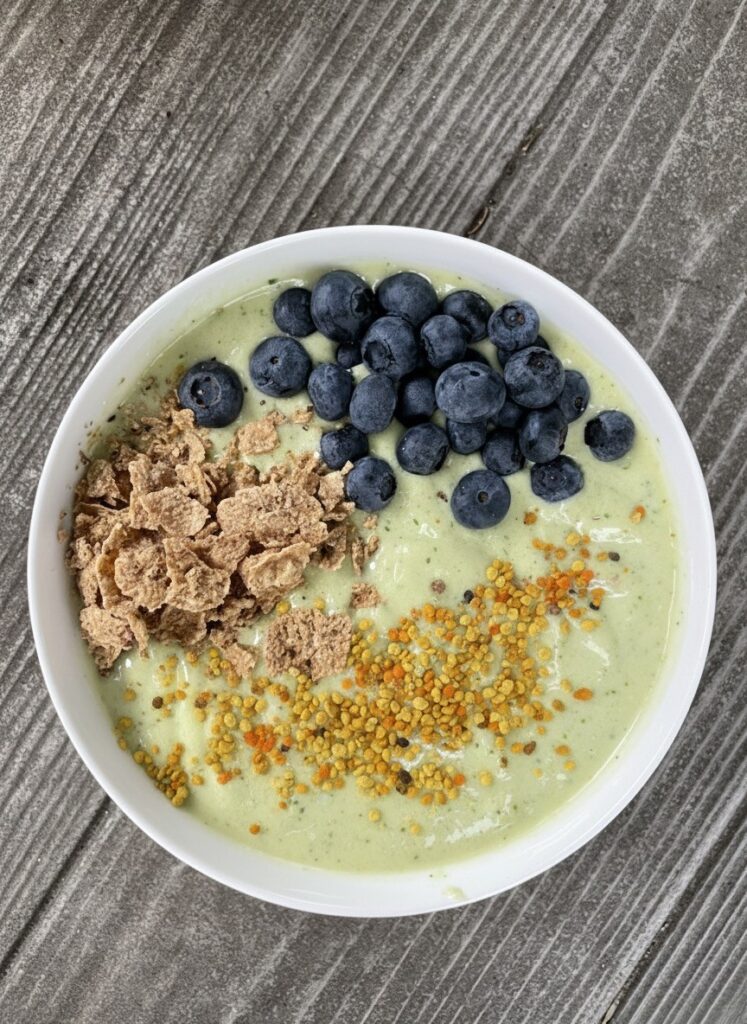
Adding bee pollen to your daily routine is incredibly easy! It has a slightly sweet, earthy flavor that complements many dishes. Start with a small amount (1/4 teaspoon or less) and gradually increase to 1-2 teaspoons per day.
Incorporating Bee Pollen into Your Diet
Here are a couple of delicious ways to enjoy it:
- Bee Pollen Power Smoothie:
- Blend together a banana, a handful of spinach, 1 cup of almond milk, 1 scoop of your favorite protein powder, and 1 teaspoon of bee pollen for a nutrient-dense breakfast or post-workout refuel.
- 2. Yogurt & Fruit Parfait Topper:
- Layer Greek yogurt, your favorite berries, a sprinkle of granola, and a generous dusting of bee pollen for a refreshing and healthy snack.
You can also sprinkle bee pollen over oatmeal, salads, toast with avocado, or mix it into salad dressings.
Bee Pollen is a superfood for everyone – including your pets!
Did you know that bee pollen can also be beneficial for your furry friends? Many veterinarians recommend bee pollen as a supplement for pets due to its incredible nutrient profile.
Benefits for Pets:
- Immune Support: Just like in humans, bee pollen can help strengthen your pet’s immune system, especially beneficial for older pets or those with compromised immunity.
- Allergy Relief: For pets suffering from environmental allergies, a small amount of local bee pollen may help reduce symptoms such as itching, scratching, and paw licking.
- Nutritional Boost: It can act as a natural multivitamin, providing essential nutrients that might be lacking in their regular diet, promoting healthier skin and a shinier coat.
- Energy and Vitality: Especially for active or senior pets, bee pollen can provide a gentle energy boost and support overall vitality.
How to Give Bee Pollen to Pets:
Start with a very small amount, typically a few granules, mixed into their food once a day. Gradually increase the amount based on their size and your vet’s recommendations. Always consult with your veterinarian before introducing any new supplements to your pet’s diet.
Bee pollen is best used when you can source it from your local region. While real and authentic bee pollen can have many of the health benefits, no matter where it’s harvested, it can be the largest defense against seasonal allergies when you can find pollen harvested from bees pollinating flowers that you’re surrounded by on a daily basis. We sell our pollen online, sourced from the Pacific Northwest. You can get bee pollen today on our website, at our store in Maple Valley, or any local market or event that we are vending at!
Sources
[1] WebMD. Health Benefits of Bee Pollen.
[2] Dr. Axe. Bee Pollen Benefits, Nutrition Facts and How to Use.
[3] Frontiers in Nutrition. Bee pollen as a food and feed supplement and a therapeutic remedy: recent trends in nanotechnology.
[4] Planet Organic. Benefits of Bee Pollen & How to Eat It.
[5] MDPI. The Antioxidant and Anti-Inflammatory Properties of Bee Pollen from Acorn (Quercus acutissima Carr.) and Darae (Actinidia arguta).
[6] University of Rochester Medical Center. Bee Pollen.
[7] National Institutes of Health (PMC). Bee Products in Dermatology and Skin Care.
[8] Healthline. Does Bee Pollen Help with Allergies?


Be the first to comment